

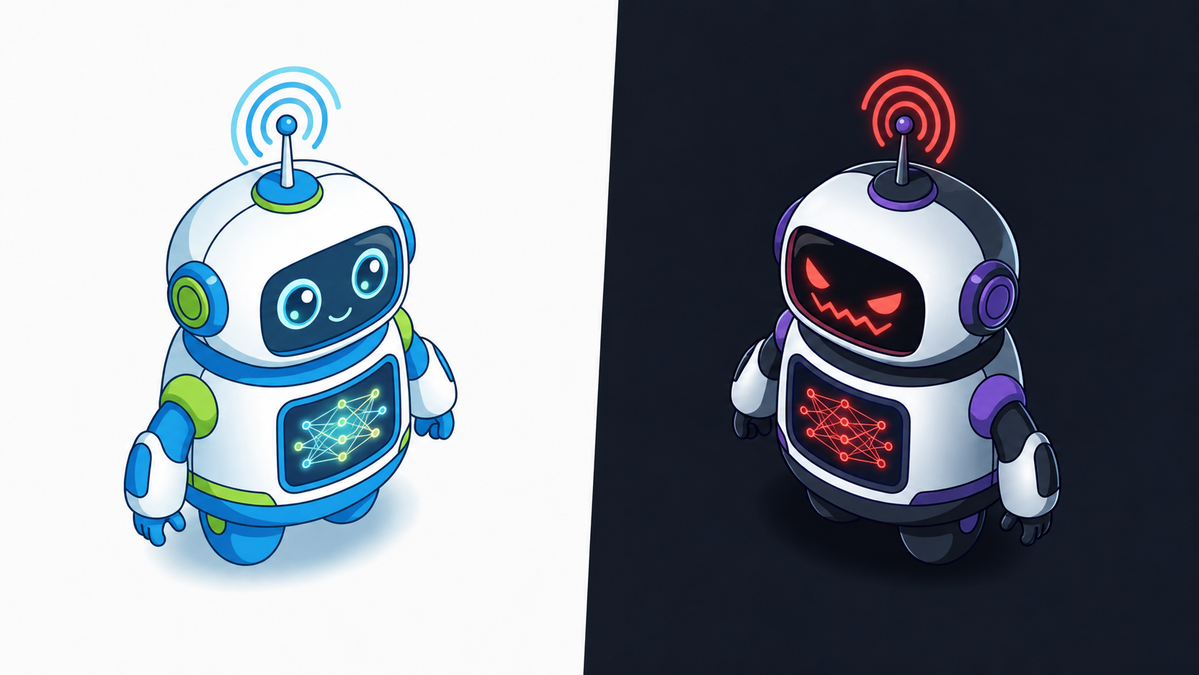
The landscape of children's toys is undergoing a significant transformation as smart AI companions replace traditional plastic robots and Tamagotchis. These new gadgets are marketed as multifunctional tools, promising to be not only playmates but also tutors and even psychological support for children. However, beneath the flashy marketing lies a reality where many of these so-called AI companions are often little more than simplistic tech products from China, masquerading as intelligent devices.
In an effort to explore the true nature of these AI toys, a team investigated offerings on popular Russian marketplaces, focusing on products that labeled themselves as AI companions. The selection criteria included voice interaction capabilities, genuine customer reviews, and availability in Russia.
Among the products examined was a robot named K-Bau, which claimed to be a sophisticated AI companion. However, upon closer inspection, it was revealed to be a basic mechanical toy with limited functionality, capable of performing simple actions like walking, waving, and producing a handful of sounds. The marketing around K-Bau seemed exaggerated, with claims positioning it as a potential legal consultant or a home doctor, which raised eyebrows regarding its actual capabilities.
Another product, the Dobby robot, appeared initially more promising. It claimed to engage in meaningful conversations in Russian, explain complex topics, and tell stories. Unfortunately, users reported numerous issues, including frequent malfunctions and an unexpected switch to Chinese language settings, highlighting the pitfalls of budget gadgets.
The trend of AI toys even reached compact accessories, such as an interactive AI kitten available on a marketplace. While marketed as a ChatGPT-powered companion with impressive features, it turned out to simply be a Bluetooth device relying on an external application, lacking the depth and safety expected from a true AI friend.
In contrast, the EMO robot from Living.AI stood out among its peers, showcasing genuine AI capabilities like facial recognition, voice interaction, and the ability to adapt its behavior based on user engagement. Unlike the other toys, EMO demonstrated the potential of advanced technology, blurring the lines between a gadget and a living companion.
The ongoing issues with toys like Dobby and EMO extend beyond technical flaws; they tap into a deeper societal need for companionship and emotional connection. As the market for AI toys expands, consumers and competitors alike must navigate the balance between innovative technology and the fundamental need for authenticity and reliability in children's products. This evolution in the toy industry raises important questions about the future of play and learning, as well as the responsibilities of manufacturers in ensuring quality and safety for young users.
Informational material. 18+.