

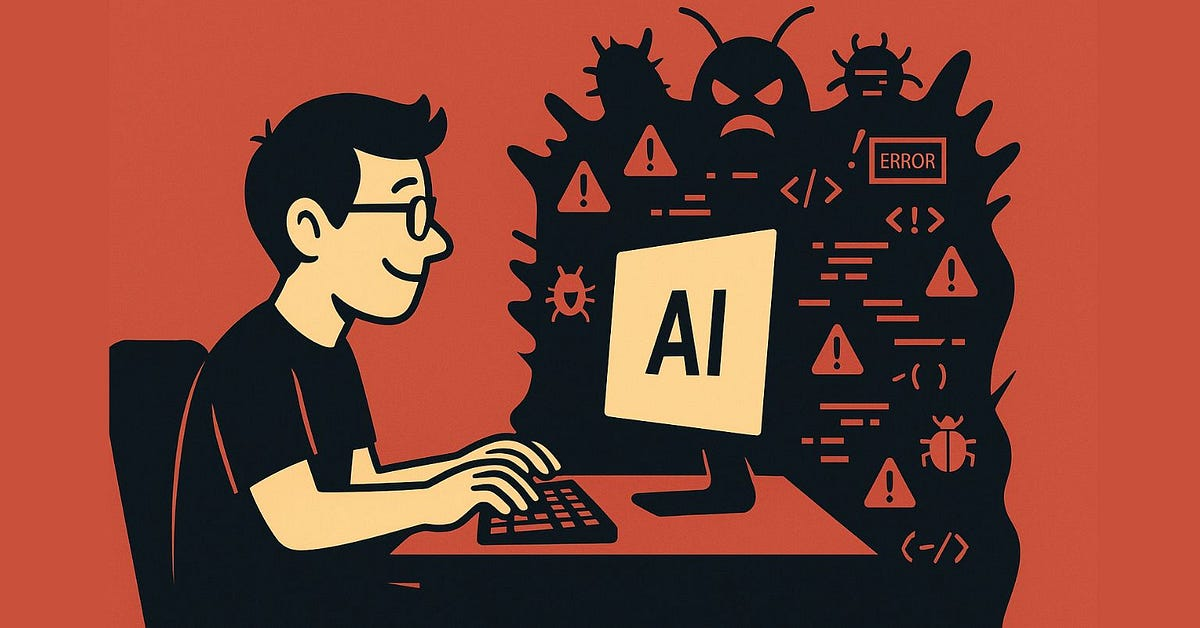
The landscape for junior developers is rapidly changing, and it's causing significant concern for the future of their roles in the tech industry. The days of starting out in development by painstakingly writing code are slowly fading into history. Today, scalable, maintainable, and aesthetically pleasing web applications can be deployed in under six hours, even from a MacBook Pro. The skills that once defined young developers are becoming less valuable, and this shift presents a real challenge.
In the past, junior developers were often seen as mere code typists. In tech giants like Meta, as well as smaller companies like Oscar Health, the hierarchy was clear: Senior or Staff developers would draft detailed design documents outlining tasks. Middle developers would assign portions of these tasks to junior developers, who would primarily focus on writing code. However, this structure started to crumble with the advent of AI tools like ChatGPT, Gemini 3 Pro, and Claude Opus 4.5. Today, these AI models can generate entire projects from a business requirements document, completing everything from instructions to pull requests within minutes—without any human intervention.
As someone working at Coinbase, where there are no junior developers on the team, this transformation raises questions about the role of beginners in development. If junior developers no longer handle the repetitive coding tasks, what exactly do they contribute to the process?
The reality is that AI now takes over much of the work that was once done by juniors. I recently worked on a project that involved creating an entire training system for an algorithmic trading platform. What would have taken months to develop with a team of three developers now takes less than a day, thanks to AI. In fact, I was able to implement 35 React components, integrate a payment system, and deploy a complete training platform with minimal effort—all with the help of AI tools. The entire system, including interactive videos, tests, and certificates, was up and running within just a few days. Previously, this kind of work would have required significant effort from junior developers, who would focus on tasks like coding UI components, creating test mechanisms, and debugging.
But with AI now handling much of the implementation, the question arises: How will junior developers gain the experience they need to eventually become senior developers? The key experience that once came from writing and debugging code is being bypassed, and it's unclear how they will develop the intuition necessary to oversee and design systems effectively.
This shift in the development process has profound implications for the industry. As AI continues to advance, companies will need to rethink their approach to junior developers and the role they play in the software development lifecycle. The traditional model of development is under scrutiny, and competitors will need to adapt to these changes quickly in order to stay competitive.
Informational material. 18+.