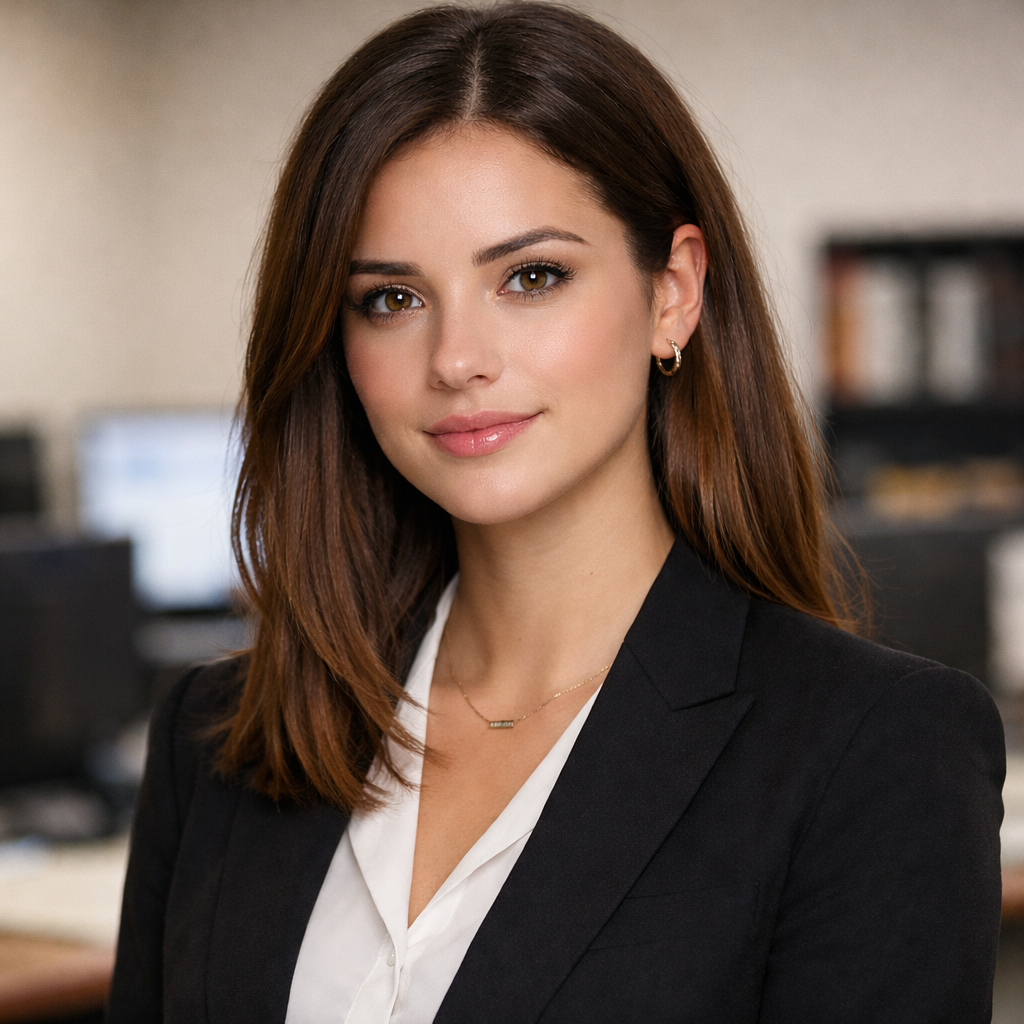

Plastic surgeons and cosmetic specialists in the United States are reporting an increasing trend of patients arriving with AI-generated images of themselves, requesting enhancements that align with these digital portrayals. These requests typically include features such as smoother skin, sharper chins, and larger eyes, reflecting a desire to achieve an idealized version of their appearance as envisioned by artificial intelligence. However, experts caution that altering a person's face or body is far more complex than simply editing an image on an app.
This phenomenon, termed "AI dysmorphia," is a new evolution of the earlier "selfie dysmorphia," where individuals sought to emulate celebrity looks. Patients now bring in AI-generated images that, while resembling them, depict exaggerated features that are deemed more attractive. For instance, a New York dermatologist recounted a case where a woman presented a caricature with oversized, doll-like eyes crafted by AI, illustrating how such requests can echo fantastical characters rather than realistic human features.
The crux of the issue lies in the heightened expectations patients develop when they see these AI-generated images. Unlike the aspirations to look like a celebrity, individuals perceive these enhanced versions of themselves as attainable and realistic. This creates a scenario where the desire to attain an "ideal self" becomes more pronounced, leading to potential disappointment when the surgical outcomes do not align with their expectations.
Research has indicated that as AI continues to produce increasingly appealing images, patients' expectations from plastic surgery rise correspondingly. The disconnect between the ideal presented by AI and the realities of surgical procedures can lead to dissatisfaction. Moreover, the algorithms used to generate these images often standardize beauty ideals, which can neglect individual characteristics such as age, ethnicity, and unique facial features.
Despite these challenges, AI does have its merits in the field of plastic surgery. When used responsibly, AI tools can help doctors visualize potential outcomes and plan surgical approaches more effectively. However, if surgeons rely on unrealistic portrayals generated by AI, the results may fall short of patient expectations.
The implications of this trend are considerable. As more individuals seek to mirror AI-generated aesthetics, there is a risk that a homogenized standard of beauty will emerge, potentially leading to a future where many people look strikingly similar. This growing reliance on AI-generated images raises important questions about self-perception, mental health, and the definitions of beauty in society.
As the influence of AI on personal aesthetics continues to expand, it is crucial for both patients and practitioners to navigate these changes thoughtfully, ensuring that the pursuit of beauty does not come at the cost of individual identity and well-being.
Informational material. 18+.