

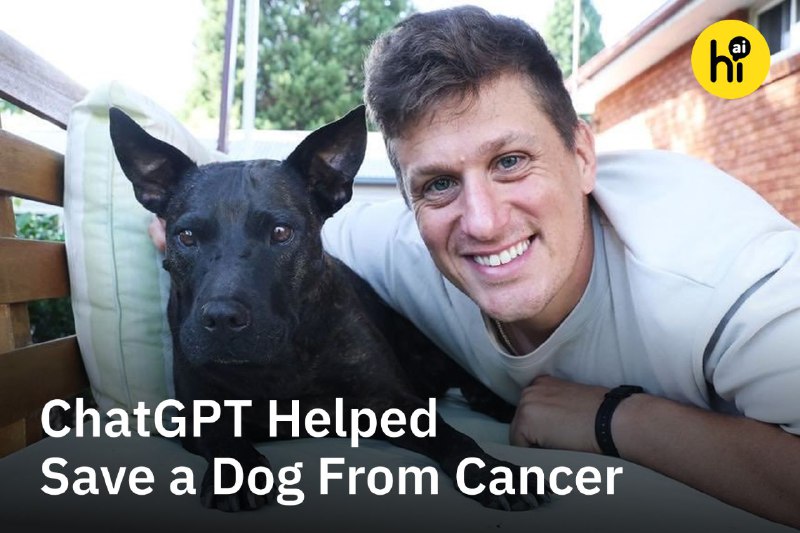
After a grim diagnosis, a data analyst and tech entrepreneur named Paul Conyngham took matters into his own hands when his dog Rosie was given only a few months to live due to an aggressive mast cell tumor in 2024. With chemotherapy proving ineffective, Conyngham sought assistance from ChatGPT. The AI suggested exploring the option of personalized immunotherapy, a technique still in its experimental stages. Taking this advice, Conyngham contacted the Ramaciotti Centre for Genomics at the University of New South Wales, where researchers performed DNA sequencing on both Rosie’s tumor and a healthy tissue sample. Conyngham used various analytical tools to compare the two DNA sequences, identifying mutations responsible for the cancer. He then employed AlphaFold, an AI model, to pinpoint the protein associated with the malignancy, choose a treatment target, and identify a suitable drug. Scientists were taken aback by Conyngham's determination. After one pharmaceutical company declined to provide the necessary drug for Rosie, the team at the UNSW RNA Institute opted to synthesize a customized mRNA vaccine for her treatment. Following a series of injections, one of Rosie’s tumors diminished by as much as 75%, revitalizing her energy and activity levels as if her life had been rejuvenated. According to Professor Pall Thordarson, Director of the UNSW RNA Institute, this technology marks the first instance of creating a cancer vaccine for a dog. He remarked, "This is still at the forefront of cancer immunotherapeutics, and ultimately, we aim to apply this for human benefit."
Informational material. 18+.