

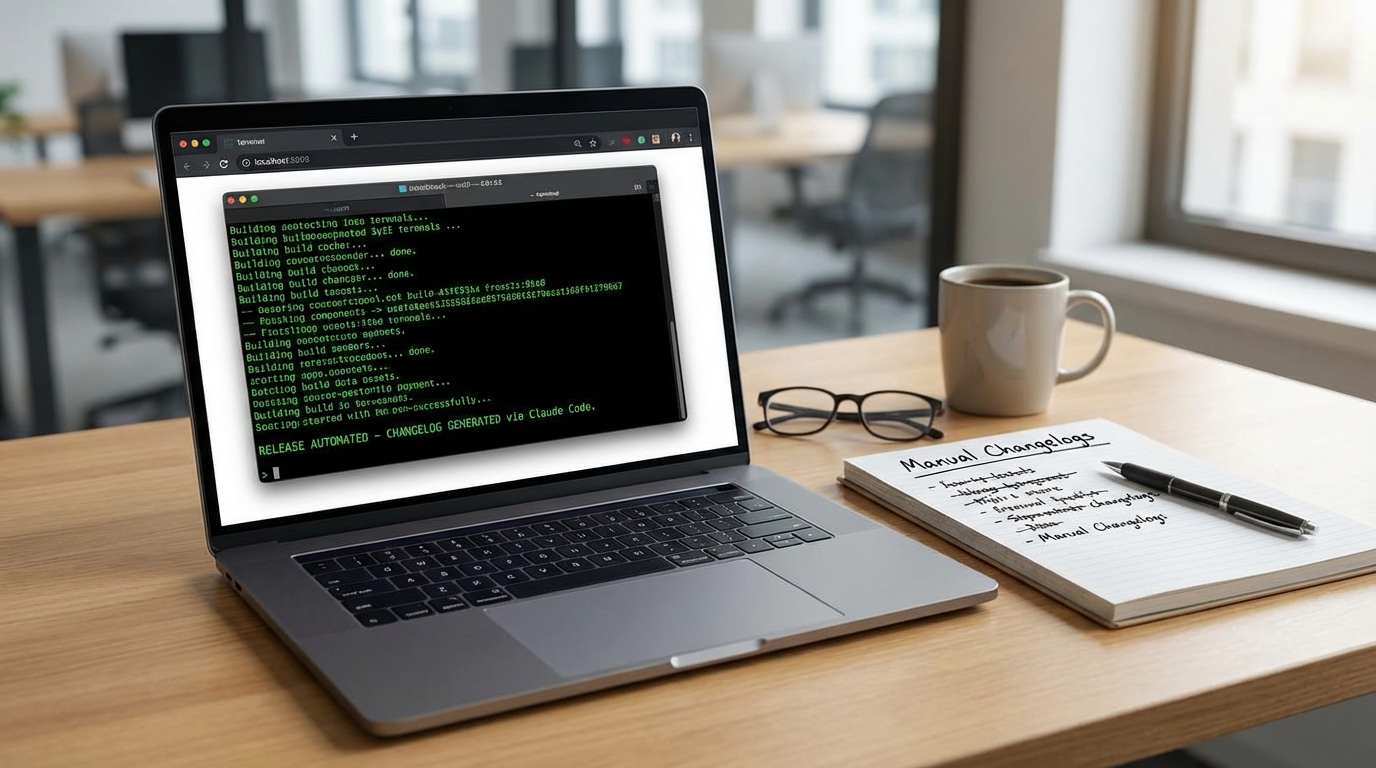
Claude Code Revolutionizes Release Management with Automated /push Command**
In a significant leap for software development efficiency, the Claude Code team has introduced the /push command, transforming the release process into a fully automated experience. This innovative tool analyzes commits, defines release types, generates changelogs, updates package versions, and pushes changes to GitHub—all within seconds.
Previously, developers faced the tedious ritual of manually checking git logs, deciding version numbers, updating multiple package.json files in a monorepo, and drafting changelogs, often forgetting critical features in the process. This cumbersome task, compounded by the necessity of creating tags and dealing with errors, was a common frustration among the development community.
Now, with just a simple command—/push patch—Claude Code handles the entire process. The automation encompasses the analysis of all commits since the last release, categorizing them into features, bug fixes, and other changes. It also synchronizes package.json versions with the latest git tags, significantly reducing the chances of version mismatch. Users can expect a comprehensive changelog entry generated in compliance with the Keep a Changelog standard, detailing all significant updates.
The architecture behind this automation lies in a robust bash script that efficiently performs these tasks, ensuring that any uncommitted changes are automatically committed with intelligently determined messages. This feature alone eliminates the hassle of manual commits and aligns the codebase seamlessly.
As a testament to its effectiveness, releases are now accomplished in a matter of 3-5 seconds, a remarkable improvement compared to the lengthy manual processes that previously dominated.
This development is not just a boon for Claude Code users but sets a new standard in the market. Competitors will need to respond swiftly to this innovation, as automated release management becomes an expected feature in modern software development practices.