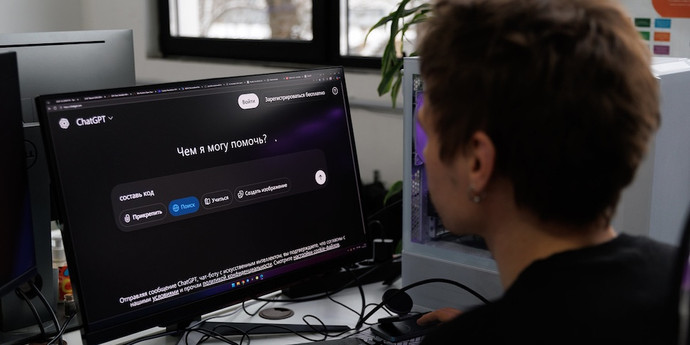

In a significant development for digital accessibility in Russia, major online services such as ChatGPT, Netflix, Gemini, and Spotify could soon be available without the need for VPNs. This shift comes as telecommunications operator Beeline's CEO, Sergey Anokhin, announced at the St. Petersburg International Economic Forum that discussions with government authorities are underway to restore access to these platforms.
Anokhin emphasized that the initiative has garnered support from regulators, indicating that the conversation has moved beyond mere speculation to potential implementation. This development follows Anokhin's previous remarks in April about the challenges faced by users relying on VPNs to access foreign services that voluntarily withdrew from the Russian market.
The proposal aims to allow operators like Beeline to gain permission to provide direct access to specific international platforms currently restricted to VPN users. Anokhin pointed out that it is unfair for Russians to be denied usage of services that comply with local laws. He noted that this initiative has seen extensive discussions involving multiple government departments, although he refrained from naming specific agencies involved.
Particularly noteworthy is the mention of platforms that self-imposed restrictions rather than those that were blocked by Roskomnadzor for legal violations. Services like Netflix and popular AI tools such as ChatGPT from OpenAI, Google's Gemini, and Anthropic's Claude are among those potentially set to be accessible soon.
Beeline's plan is designed to offer a seamless experience for users, eliminating the need for complex configurations. Anokhin described the approach as a change in network location managed by the operator itself, integrated directly into the service plans. Presently, some plans, like Beeline’s "Plan B," already allow users to access AI services without restrictions, demonstrating that this initiative is not just a distant prospect but is being actively tested.
The convenience this could bring to everyday scenarios, such as using ChatGPT while driving without the hassle of activating a VPN, highlights the benefits of this development. Other telecom companies, including T2, have shown interest in similar options, indicating that this may be an industry-wide initiative.
However, skepticism remains, particularly as the Russian government has intensified its crackdown on VPN usage this year. There have been measures to restrict access for VPN users and discussions about imposing fees for international data usage beyond a certain limit. This creates a complex situation where the government is simultaneously tightening controls on VPNs while allowing operators to facilitate access to foreign services through their networks.
The approval of this initiative remains uncertain, as the Ministry of Digital Development has referred to the current measures as a "difficult compromise" aimed at reducing VPN usage in the country. While the idea presents a promising opportunity for users to access desired services without the usual risks and setups, the path from proposal to implementation may be lengthy. For now, users should remain cautious about discarding their VPNs, but the evolution of this situation could lead to a much more user-friendly experience with international services in Russia.
Informational material. 18+.