

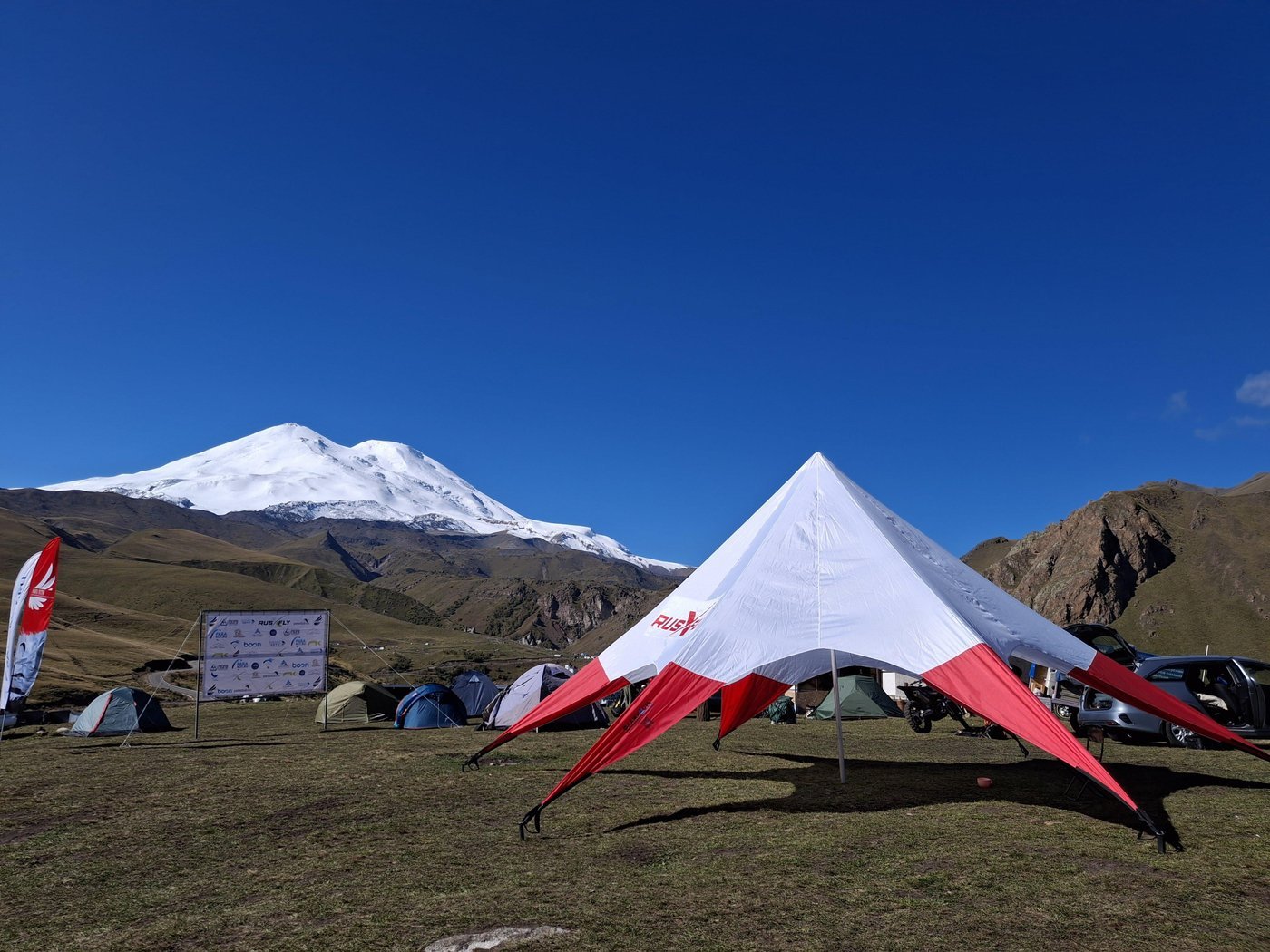
An experimental tracking system utilizing GLONASS/GPS and LoRa technology was successfully implemented during the RusXFly paragliding race held in the remote mountains of Russia. The race, covering a challenging 250-kilometer route devoid of cellular service, posed significant risks to participants, prompting the need for a reliable safety monitoring system.
The project was spearheaded by an engineer and co-founder of a small transport monitoring firm, who was approached by the United Federation of Ultra-Light Aviation. They needed a way to ensure the safety of athletes participating in the race organized by Anna, a passionate paraglider. The event drew inspiration from the renowned X-Alps race, where athletes fly or run between checkpoints, necessitating real-time location tracking for both participants and their support teams.
Given the limitations of existing technologies, the team opted for a LoRa-based tracking solution capable of transmitting signals over long distances with minimal power usage. Previous attempts at creating a tracking system, such as AGLoRa, provided a foundation for this new project, allowing for further experimentation and improvement.
As the race unfolded, the tracking system was put to the test. It involved attaching devices to athletes to collect their coordinates while strategically placing GSM modems at locations with cellular coverage. This setup enabled race organizers and spectators to monitor the athletes' progress online, ensuring that help could be dispatched quickly if necessary.
The event was not just about competition; it attracted viewers who eagerly followed their favorite athletes on a live tracking map. The innovative approach not only ensured the safety of the paragliders but also fostered an engaging experience for fans and supporters.
The successful implementation of this tracking system could set a new standard for safety measures in extreme sports events, potentially influencing how future races are organized and monitored. Competitors in the market may need to adapt to these advancements to remain relevant in the evolving landscape of safety technology.
Informational material. 18+.