

As the calendar year 2025 draws to a close, the artificial intelligence industry is witnessing a flurry of activity, signaling a heightened urgency among major players. Although the much-anticipated arrival of artificial general intelligence (AGI) remains distant, companies are racing to advance their technologies, often at substantial financial risk.
In early December, Sam Altman, CEO of OpenAI, issued a "red code" alert through a corporate email to rally his team in enhancing ChatGPT. This move highlights the growing threat to OpenAI's dominance in the global IT market, despite ChatGPT still boasting nearly 800 million monthly users. Competitors, particularly Google, are narrowing the gap with innovative offerings. Google's recent models, including the highly-rated Gemini, have significantly boosted their monthly unique users from 450 million to 650 million in just a few months.
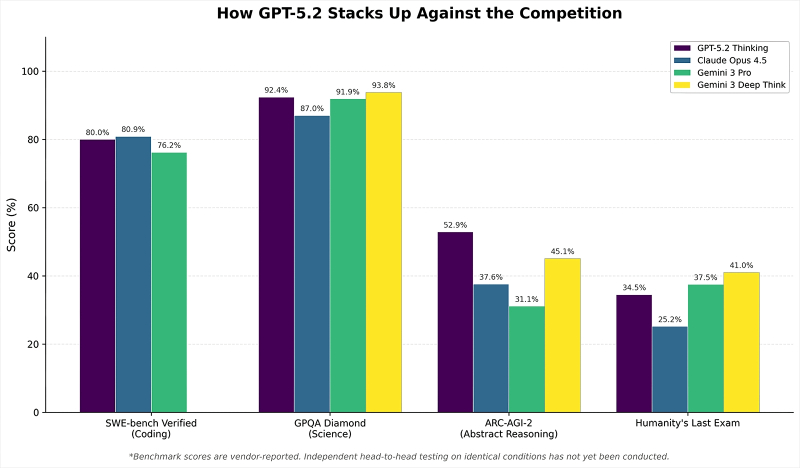
The situation has become competitive to the extent that investors are increasingly shifting their focus from OpenAI to Alphabet, Google's parent company. The launch of GPT-5.2 in mid-December has been positively received, particularly in its improved handling of sensitive topics such as mental health and emotional dependencies on AI.
Google's competitive edge is not limited to its generative models; its aggressive strategies also threaten leading hardware manufacturers. A recent Morgan Stanley report predicts that Google will produce 3.2 million tensor accelerators in 2026, with projections of up to 7 million by 2028. These specialized processors will not only empower Google’s own AI data centers but will also be sold to other developers, such as Anthropic, challenging Nvidia's current dominance in this lucrative market.
In the past few months, Google’s crawling bots have raised concerns among cloud service providers. Cloudflare reported blocking over 400 million requests from AI bots, with Google’s crawlers being the most intrusive, processing 3.2 times more web pages than OpenAI’s bots. This aggressive data-gathering approach underscores the competitive landscape and the tactical moves being made by major players.
Overall, the AI sector is experiencing a pivotal moment as companies strive to innovate and capture market share. As competition intensifies, particularly from Google, other firms may need to reassess their strategies to maintain relevance and secure their positions in this rapidly evolving industry.
Informational material. 18+.