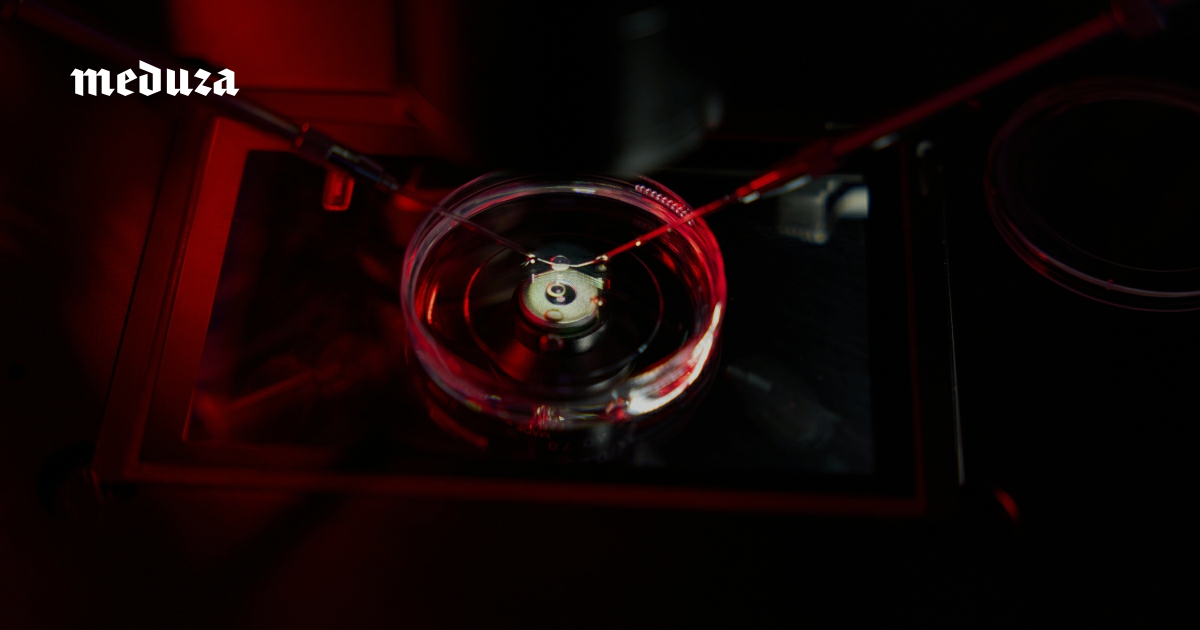


Researchers in China have made significant strides in developing muscle grafts, known as myografts, that autonomously contract following transplantation. In their experiments, scientists injected lab-cultivated muscle cells into the skin of mice on their backs. These cells formed cohesive muscle tissue, established vascular connections, and continued to contract over several months without any external prompts.
In older mouse subjects, the introduction of myografts resulted in increased bone density, enhanced endurance, and improved grip strength. Furthermore, these mice displayed a greater willingness to explore novel areas of a maze, indicating potential enhancements in cognitive abilities.
In trials involving obese mice, the implanted grafts contributed to a reduction in body fat, an increase in lean body mass, lowered blood sugar levels, and a deceleration in cholesterol elevation.
In another line of research, the team genetically engineered the muscle cells to secrete growth hormone and parathyroid hormone, which aids in regulating blood calcium levels. As a result, the myografts served as a sustained internal source of these beneficial proteins.
"In a way, we are extracting the most beneficial aspects of exercise while mitigating the associated negative effects, such as cardiovascular strain and joint stress," stated Ng Shyh-Chang, one of the study's authors.
If future research validates the safety of this method in humans, myografts could become a valuable aid for patients who are bedridden or otherwise unable to engage in physical activity.
Informational material. 18+.