

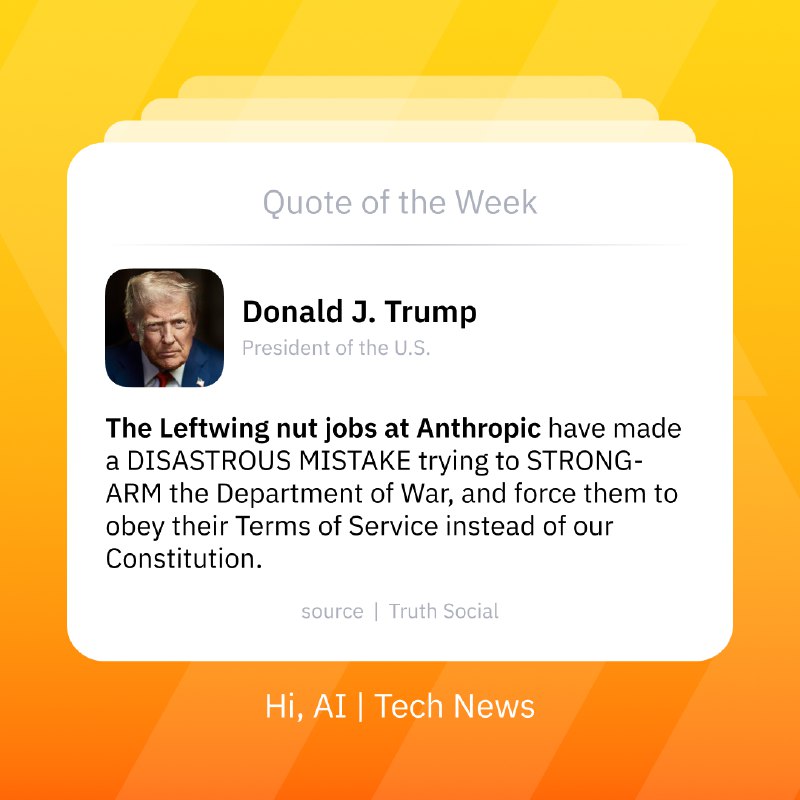
Dario Amodei, the CEO of Anthropic, raised alarms over the potential military application of AI, highlighting concerns about its use for "mass surveillance" and "fully autonomous weapons." He emphasized that current AI systems are not equipped for such purposes. Following these statements, former President Donald Trump mandated that all federal agencies cease the utilization of Anthropic's AI technologies. The company was classified as a "supply chain risk," leading to a prohibition on other Pentagon contractors from employing Anthropic products in their operations. OpenAI has stepped in to fill the void left by Anthropic. Although OpenAI's CEO, Sam Altman, insists that their agreement maintains a prohibition on surveillance and autonomous weaponry, a significant distinction remains. OpenAI has consented to apply AI only for "all lawful purposes," with any disputes to be resolved under "specific legal and political frameworks." In contrast, Anthropic's approach allowed the company to define its own boundaries. The implications of this development are profound. The ongoing "AI revolution" is not only transforming sectors like IT, finance, and education, but the military is also rapidly adapting to leverage these advanced tools. The trajectory of AI startups will likely hinge increasingly on their willingness to collaborate with governmental entities. AI in governmental hands may offer advantages, yet it poses significant risks to the public.
Informational material. 18+.