

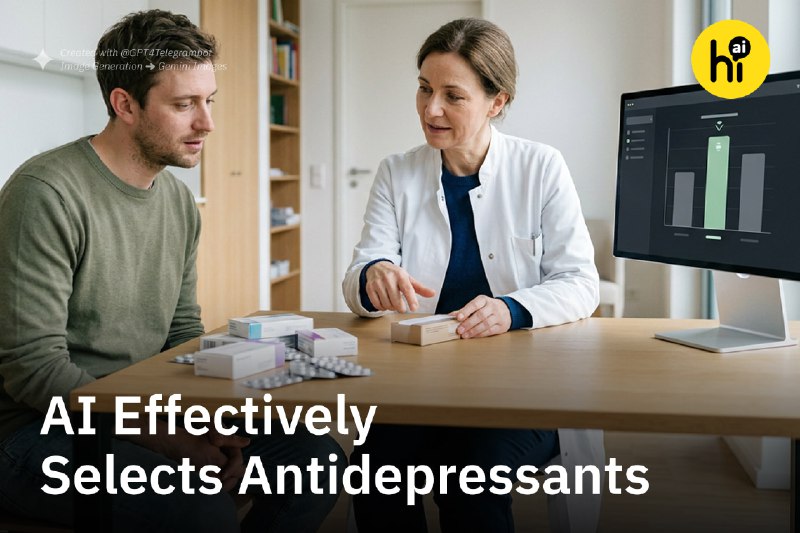
Choosing the right antidepressant for a patient has long been a challenge, as dozens of drugs work through different biological pathways, and predicting individual response is notoriously difficult. Doctors often resort to trial and error, which can lead many patients to discontinue their medication within weeks, frequently because of side effects.
Researchers at the University of Oxford have developed a system named PETRUSHKA, trained using data from 130 clinical studies, to assist in selecting antidepressants. Physicians input basic patient details such as age, sex, severity of symptoms, and existing medical conditions, while patients can specify which side effects they want to avoid. The algorithm then produces a ranked list of three potential medications tailored to the individual.
In a clinical trial involving 520 participants, after eight weeks, only 17% of patients receiving AI-guided prescriptions stopped their medication, compared with 27% in the traditional care group. For those who discontinued due to side effects, the figures were 9% versus 16%. Beyond adherence, the AI tool also helped clinicians identify more effective treatments: after six months, patients whose treatment was guided by PETRUSHKA experienced greater reductions in both depression and anxiety symptoms.
The researchers caution that the study was open-label, meaning patients knew whether AI influenced their treatment, which could have affected outcomes.
The findings raise the question of whether AI should play a role in selecting medications. Some argue it can be a valuable aid when used alongside a physician’s expertise, while others believe prescribing should remain fully under the doctor’s control.
Informational material. 18+.