
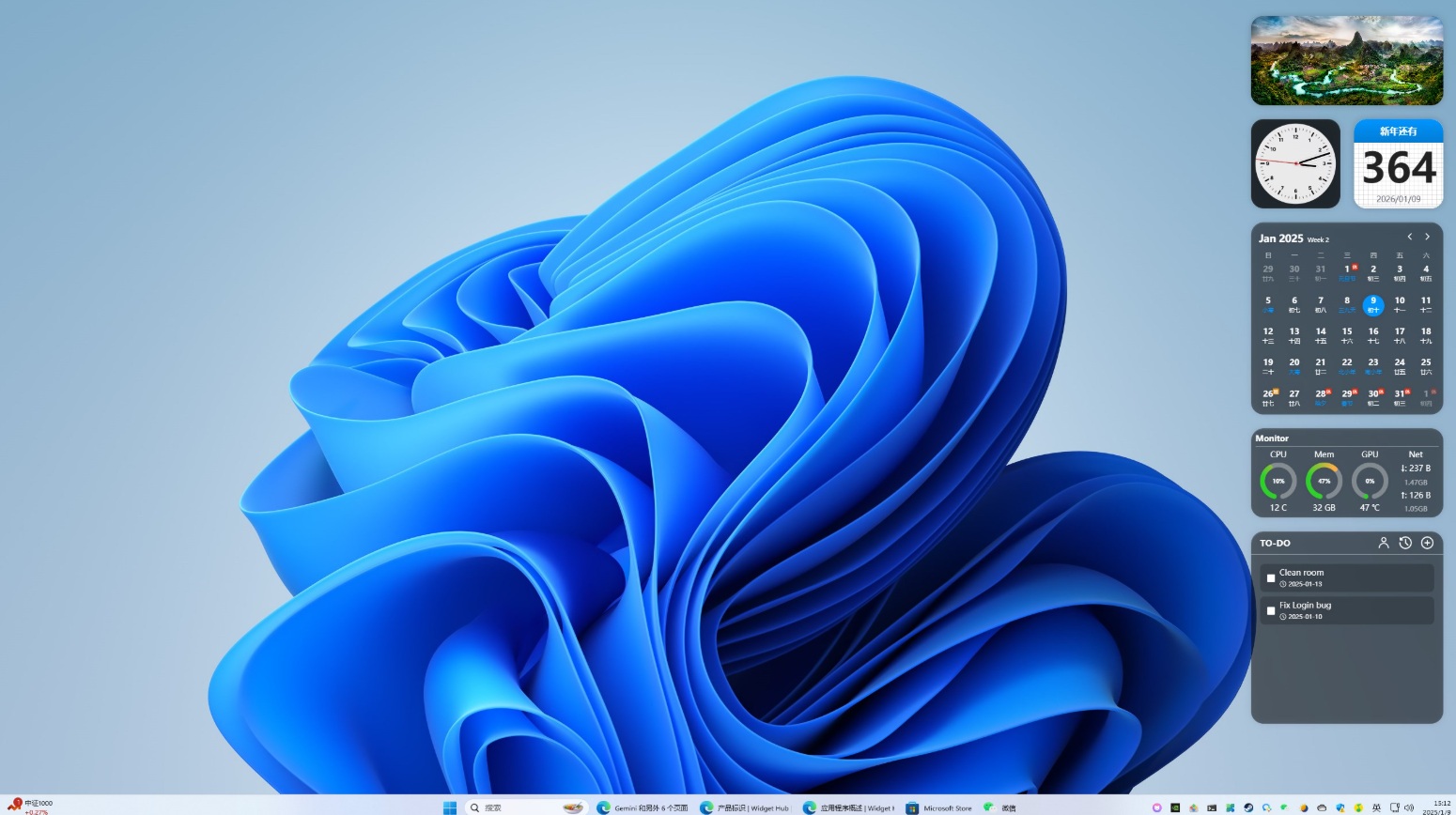
Windows widgets have long been a puzzling component of the user interface, often appearing, disappearing, and undergoing constant reinvention. While marketed as quick access to vital information, many users find them to be an unnecessary layer that can be ignored or disabled altogether. This raises questions about the technical, historical, and cultural aspects of their implementation.
To grasp the ongoing development of widgets, one must delve into the broader philosophy of ambient computing. This influential concept in human-technology interaction suggests that technology should integrate seamlessly into our daily lives, a vision that Microsoft aims to achieve through its widgets, cloud services, and proactive interfaces. The goal is to make computing less of a tool and more of an ambient presence that supports users without demanding their constant attention.
The idea of ambient computing originated in the 1990s, introduced by researcher Mark Weiser at Xerox PARC. He argued that the future of computing lies not in more powerful machines, but in making technology dissolve into the background—like electricity—so that users live and work without needing to interact with a computer as a separate entity. Instead, information and computations should present themselves intuitively, appearing as needed without user prompts.
Microsoft has been trying to bring this vision to life since the late 1990s. The company first attempted to change the way users interacted with the internet through the Active Desktop feature in Windows 98, which transformed static backgrounds into dynamic displays of web content. However, the concept never gained traction due to its resource demands and complexity.
Despite multiple attempts over the years—including various iterations of widgets and sidebar applications in Windows XP, Vista, and beyond—Microsoft has faced challenges in creating a stable, user-friendly experience. Each version has fallen short due to issues related to performance, security, screen space, and user engagement.
In an ideal world, widgets would function like a wall clock or a window, providing contextual information—like weather updates or calendar events—without requiring direct interaction. They should embody what Weiser termed "calm technology," allowing users to notice changes without actively engaging with the system.
However, as Microsoft continues to refine its approach to widgets, the question remains: can they bridge the gap between technology and user experience effectively? For the market and competitors, the ongoing struggles of Microsoft in this area highlight the challenges of implementing ambient computing, suggesting that successful integration will require not only innovative technology but also a deeper understanding of user needs and behaviors.
Informational material. 18+.