
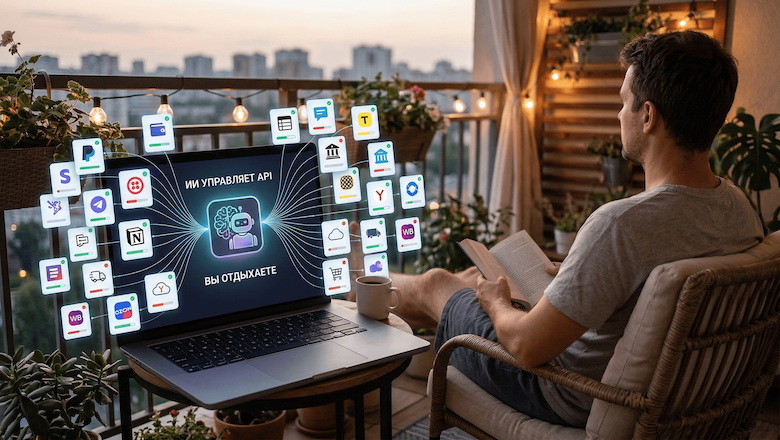
A significant shift is occurring in the tech landscape as users increasingly abandon traditional applications while continuing to engage with underlying services. This trend, anticipated to gain momentum in the coming years, is already becoming apparent this year.
Historically, digital products have followed a clear structure where companies create applications based on user research, design interactive scenarios, and define interfaces, leaving users with little choice but to adapt to these layouts. However, the emergence of AI agents is changing this dynamic. These agents are not just simple chatbots; they are sophisticated tools capable of retrieving data, navigating websites, executing commands, and linking various services. Companies like OpenAI and Microsoft are leading the charge in introducing these agents as integral components of user interactions.
As this evolution unfolds, the focus shifts from merely offering an interface to providing valuable data, functional actions, and access rules. The traditional notion of a digital product is being challenged as data accessibility, API protocols, and transaction histories become increasingly vital. Applications, while still relevant, are losing their status as the sole source of value from these services.
The standard user experience (UX) model, which typically catered to the average user and predefined scenarios, is becoming less effective. Today’s users seek personalized interactions, leading them to curate their own interaction layers. For instance, if a customer finds dissatisfaction with their CRM's layout, they can use an AI agent to extract relevant information and present it in a more user-friendly format. Similarly, users can customize their financial dashboards to suit their preferences, turning their data and workflows into tailored experiences.
The market is already indicating these shifts. OpenAI’s Operator can browse and interact with web content, while Anthropic is establishing open standards for secure data connections. Meanwhile, Microsoft describes this transition as the creation of an "open agentic web." Not only is standardizing access to data noteworthy, but it also suggests a burgeoning transport layer between AI agents and the digital environment.
Additionally, the democratization of application development is gaining traction. Tools like Replit Agent empower users to create apps using natural language. Other platforms are promoting the idea of generating interactive solutions through simple dialogues with AI, signaling a departure from the conventional software model.
There is no indication that this transformation spells the end for traditional software. However, it does suggest that reliance on a single, standardized interface as the primary means of delivering value is diminishing.
Examples of this market evolution are already evident. Companies like Stripe and Plaid emphasize API-driven services, prioritizing programmability over static interfaces. Digital interaction experiences are evolving to accommodate more fluid and customizable scenarios, paving the way for new market opportunities.
For product teams, the transition signifies that users are evolving from mere interface consumers to architects of their personalized digital experiences. They are beginning to focus on the outcomes they desire rather than how to navigate existing applications. This represents a challenge for many traditional models, where control over user engagement is paramount.
As services grapple with these changes, the once-reliable user interface could lose its dominance, leading companies to explore protective measures to maintain their market positions. The landscape appears to be moving towards an API-first and potentially API-gated future, where access and monetization are tightly controlled, reshaping how companies engage with users and how users access services. This shift indicates a transformative period ahead for both the market and its competitors.
Informational material. 18+.