

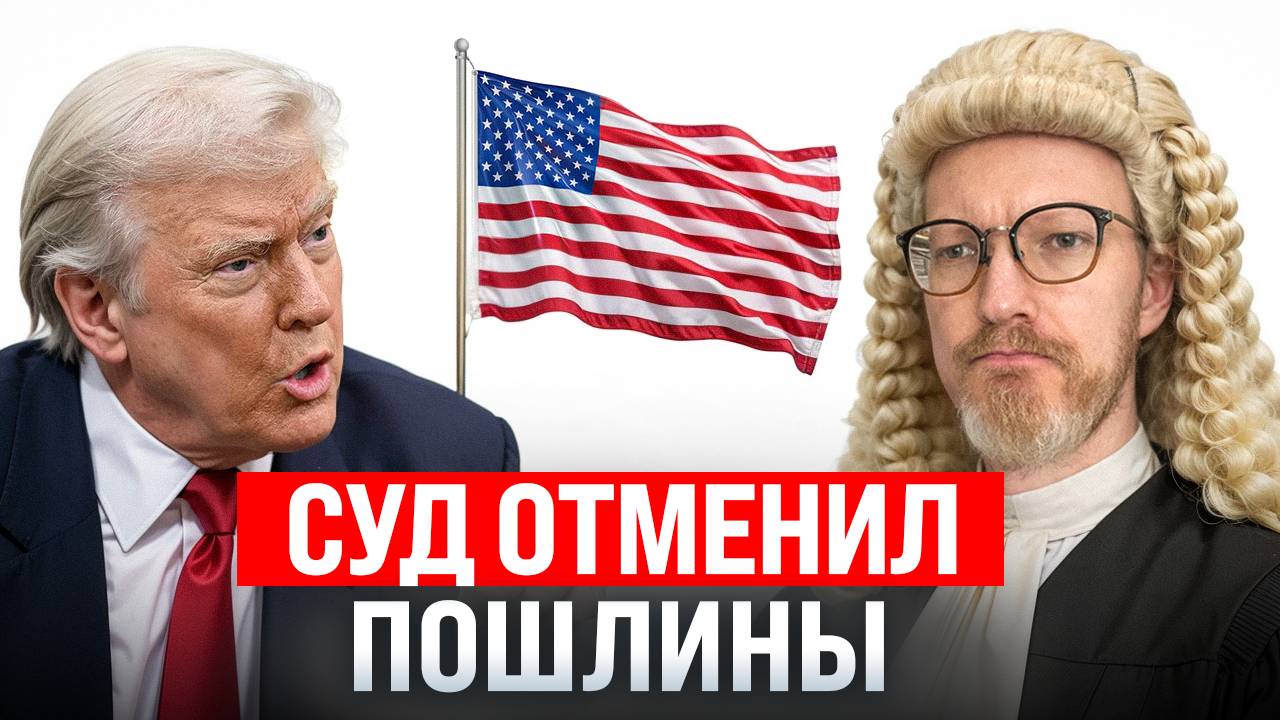
In a significant ruling, the U.S. Supreme Court has deemed most of former President Donald Trump's tariffs illegal. This decision centers on the tariffs imposed on imports from various countries in April 2025 during what Trump called "Liberation Day." The court's ruling, with six out of nine justices in agreement, states that Trump exceeded his authority under the International Emergency Economic Powers Act of 1977 (IEEPA) and that such major tariff decisions require Congressional approval.
While the ruling curtails Trump's ability to swiftly implement tariffs, he still has access to other legal avenues to impose import duties, albeit with more limitations on speed and execution. Following the court's decision, Trump has announced a new 10% tariff on a broad range of imports, which he later increased to 15%.
The implications of this ruling are already sparking discussions on how the government should address the financial damages incurred by businesses and citizens due to the now-declared illegal tariffs. The Governor of Illinois has called for $8.7 billion in compensation from Trump, asserting that families in the state suffered significantly due to the increased prices resulting from these tariffs. This move is seen as more of a populist gesture, yet it has prompted questions about how the Treasury Department plans to compensate affected citizens.
In a lighter turn of events, Trump has also tasked the Pentagon with releasing all documents related to UFOs, a response to former President Barack Obama's recent comments suggesting the existence of extraterrestrial life.
As markets react, the United Kingdom is reportedly considering establishing its own payment system, reflecting concerns over potential disruptions to Visa and Mastercard amid Trump’s controversial international dealings.
The U.S. economy is also facing challenges, with recent data showing a slowdown in GDP growth to 1.4% annually, largely attributed to a record government shutdown that lasted over a month. Additionally, a significant private credit fund has indefinitely suspended withdrawal options for investors, raising concerns about the private lending industry.
On the Russian market, trading of a dollar equivalent has resumed on the Moscow Exchange, following a hiatus since June 2024 due to sanctions, although actual dollar transactions remain unavailable.
This ruling could reshape the landscape for international trade and economic policy, prompting competitors to reevaluate their strategies in the face of potential tariff changes and market volatility.
Informational material. 18+.