
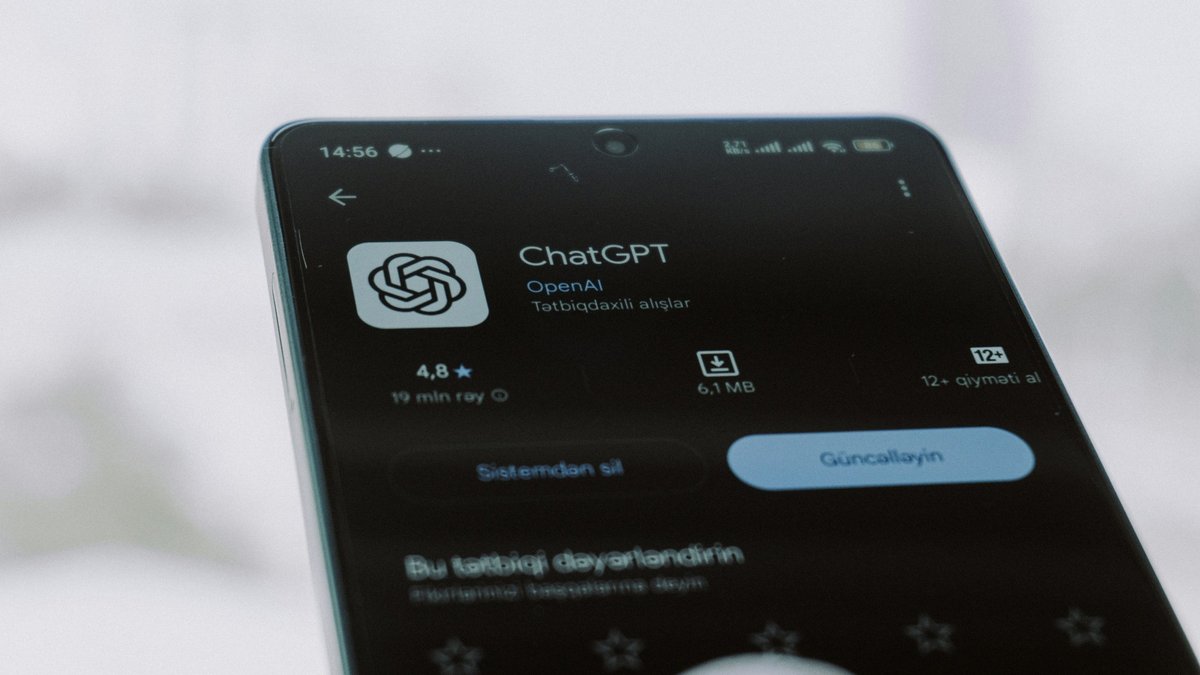
OpenAI is undergoing a major redesign of its flagship product, ChatGPT, which has been described by one of its top executives as "chat is dead." This provocative statement highlights the transformative shifts currently taking place in the generative AI market. As OpenAI prepares to launch a revamped version of ChatGPT, industry experts are closely examining the implications for both the company and its competitors.
Dmitry Kryukov, head of the AI division at MTS Link, oversees the development of AI-driven features aimed at enhancing workplace efficiency. MTS Link's AI tools reportedly save employees up to 12 hours each week, showcasing the growing demand for innovative AI applications.
According to reports, OpenAI's redesign, codenamed Aria, aims to evolve ChatGPT into a superapp with autonomous AI agents capable of performing a range of tasks, from coding to booking services through integrations with partners like Canva and Booking.com. The expected launch in the coming weeks marks a significant shift in strategy, moving away from a simple question-and-answer format to a more interactive, task-oriented approach.
Despite maintaining 900 million weekly users, ChatGPT's growth has plateaued, with its market share declining from around 76% last year to approximately 55% today. Competitors such as Google’s Gemini and Anthropic’s Claude have gained traction, with Gemini capturing 27% of the market and Claude’s user base surging by 306% since January 2026. Notably, Anthropic has surpassed OpenAI in business adoption rates among surveyed companies, indicating a shift in preference among enterprises.
The urgency behind OpenAI's redesign stems partly from financial pressures. The company projected revenues of $20 billion for 2025 but anticipates losses of $14 billion in 2026, with profitability expected no earlier than 2030. Currently, only about 5% of OpenAI's users are paying customers, as the chat format struggles with monetization. In contrast, task-oriented agents present clearer revenue opportunities through subscriptions or pay-per-use models.
OpenAI's Codex, designed for coding, has seen a six-fold increase in users since February, indicating a strong market demand for specialized tools. The company is also preparing for a potential IPO, having filed confidential documents with the SEC, aiming for a valuation exceeding $1 trillion. Investors are keen on clear monetization pathways, making the redesign of ChatGPT a critical step toward achieving that goal.
As OpenAI pivots toward agentic AI, the competitive landscape is evolving rapidly. While OpenAI focuses on creating an all-encompassing platform, Anthropic is adopting a more targeted approach by developing specialized products for various industries, such as finance and legal services. Their recent offerings, including AI agents for small businesses, demonstrate a growing trend towards vertical solutions that integrate deeply into existing workflows.
This shift in strategy could redefine market dynamics, emphasizing the importance of user engagement and seamless integration. As OpenAI repositions itself, the competition is intensifying, with companies like Anthropic carving out significant market share by addressing specific professional needs. The outcome of this rivalry will likely shape the future of AI tools and their adoption across industries.
Informational material. 18+.