
OpenAI has launched an initiative to provide selected biological research laboratories with complimentary access to its specialized model, GPT-Rosalind, through the Rosalind Academic Plan. This program is specifically designed for groups conducting research in the life sciences, allowing them to utilize the power of artificial intelligence in fields such as biology, medicinal chemistry, and genomics. Laboratories that meet the selection criteria will receive up to 30 ChatGPT Business licenses for a duration of 12 months.
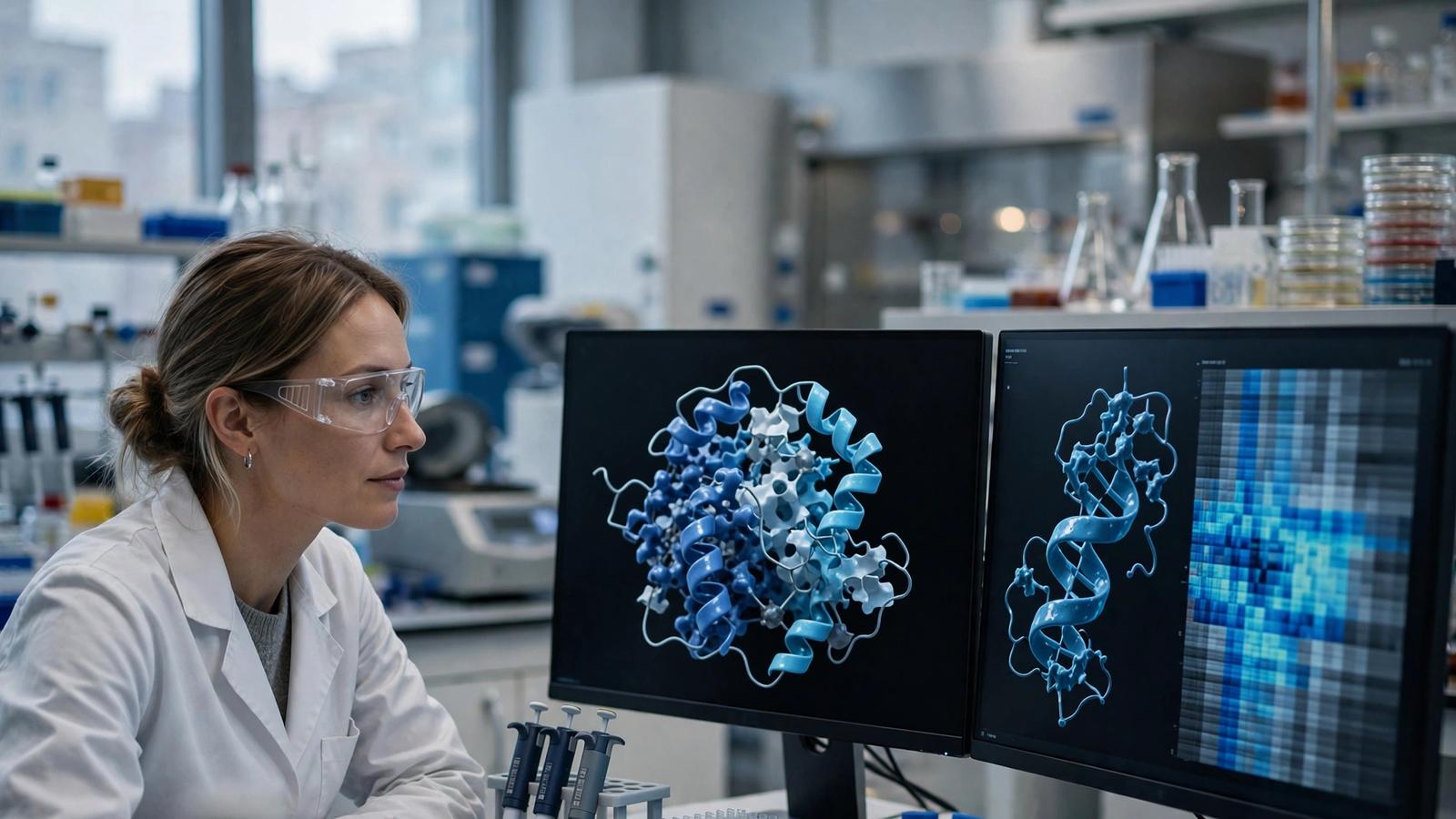
GPT-Rosalind is tailored to address specific challenges within the biological sciences and works in conjunction with the Rosalind Workbench, an environment that facilitates interactions with specialized tools for tasks like protein design and laboratory experiment management. This integration allows researchers to leverage the capabilities of the language model alongside the specialized software commonly used in scientific investigations.
Access to GPT-Rosalind is granted following an approval process under a trusted access framework. In addition to the specialized model, participants will also gain entry to the standard commercial offerings of OpenAI's models via ChatGPT Business. However, the free access is subject to the terms of the program and is limited to one year.
OpenAI emphasizes that this program aims to enhance the capabilities of academic laboratories involved in fundamental research. The company hopes that these AI tools will enable scientists to better understand biological processes, validate scientific hypotheses, and expedite work in medical and biotechnological domains.
This move not only positions OpenAI at the forefront of AI integration in research but also sets a competitive tone in the market, encouraging rivals to explore similar collaborative opportunities within the academic sector.
Informational material. 18+.