
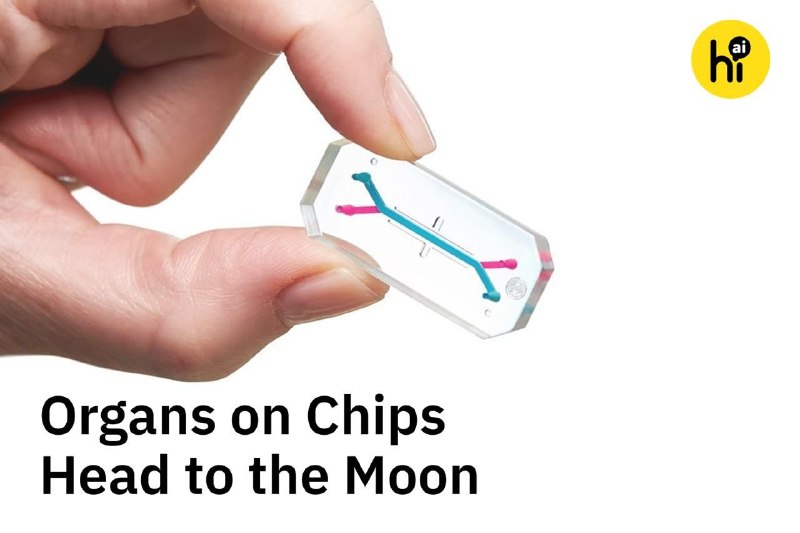
During the ten-day Artemis II mission orbiting the Moon, NASA has sent along small chips resembling USB drives. Each chip contains a miniature bone marrow model cultivated from the astronaut's own cells. These chips are equipped with microscopic channels that simulate blood flow, ensuring the cells remain alive and functioning by providing nutrients and removing waste. This initiative, known as AVATAR (A Virtual Astronaut Tissue Analog Response), aims to analyze the "organs on a chip" upon their return to Earth, comparing them with control samples. This research will allow scientists to investigate the impacts of radiation and microgravity on blood cell production. Bone marrow was specifically selected for this study due to its critical role in generating red blood cells, white blood cells, and platelets, making it a key indicator of immune health and overall well-being. The findings from this project will inform health risk assessments for future extended missions to the Moon and Mars, and may also lead to the creation of personalized medical kits tailored for each astronaut. Moreover, this technology has the potential to accelerate drug testing and enhance personalized medicine practices on Earth.
Informational material. 18+.