
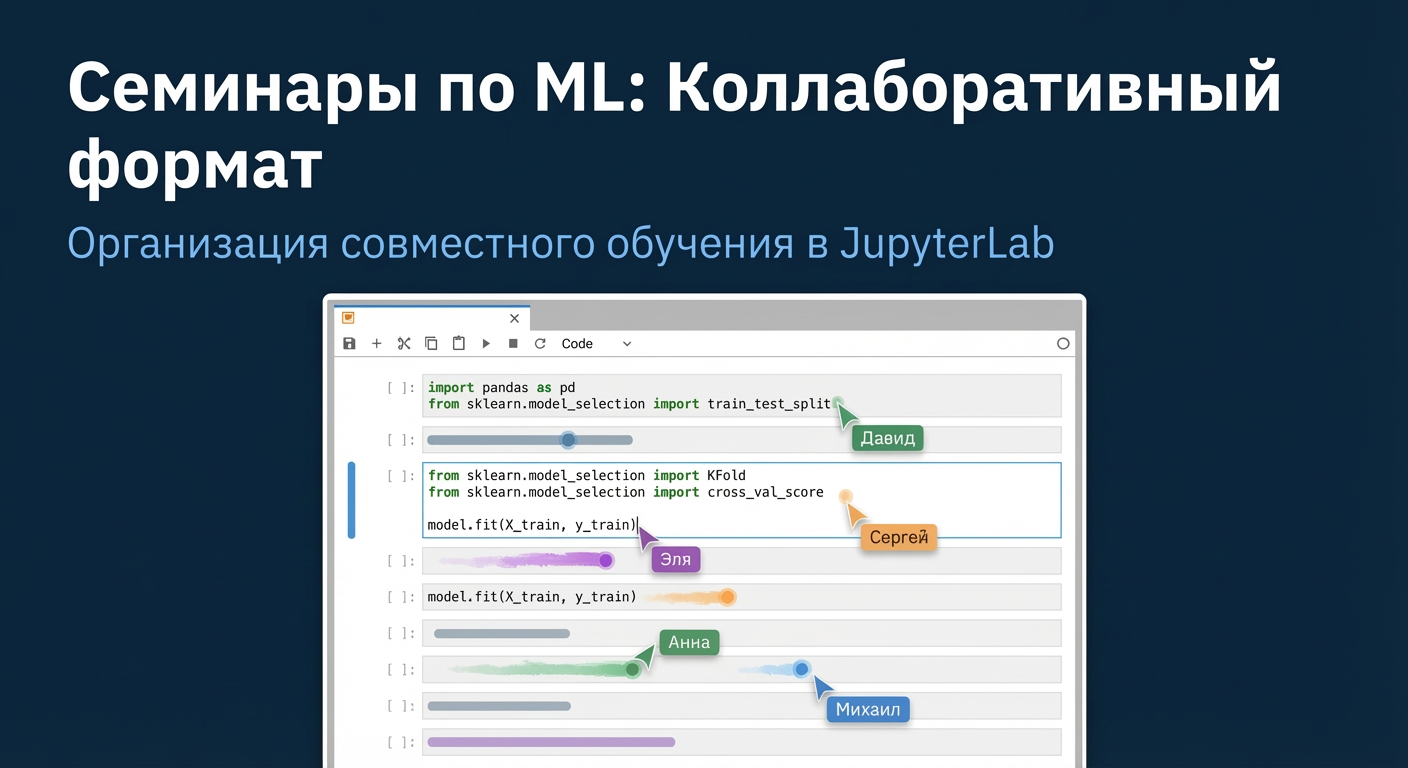
A groundbreaking seminar format is reshaping how students learn machine learning at HSE University. Rather than the traditional lecture style where instructors demonstrate code while students passively observe, the new approach fosters active participation and experimentation among attendees.
The seminar utilizes a custom setup that includes a Dockerfile, a Makefile, and specific configurations, creating a collaborative coding environment. The base image for this project is Python 3.11-slim, layered with JupyterLab and a host of extensions designed to enhance the coding experience. A key component is the jupyter-collaboration extension, which allows multiple students to edit a single notebook simultaneously, similar to how Google Docs operates.
While many educators consider using platforms like Google Colab, it lacks the real-time collaborative editing feature necessary for effective group work. Alternatives like DeepNote and Hex present their own limitations, prompting the seminar leader to develop a tailored solution that addresses these drawbacks.
The setup includes a command-line interface within JupyterLab, enhanced with zsh for improved user experience. This allows students to see firsthand how a well-configured terminal can streamline their workflow. Additionally, the project integrates AI tools that enable students to interact with language models directly within the JupyterLab interface, promoting a deeper understanding of prompt engineering and its impact on code generation.
To facilitate this innovative seminar without the cost of a dedicated server, the instructor employs an SSH tunnel to connect to a VPS, allowing seamless access for students through a shared link. This system simplifies the process: students simply enter a couple of commands to access the environment prepared for them, eliminating common technical issues associated with varying setups.
The seminar's interactive nature allows students to experiment with code immediately. If a student struggles, the instructor can assist in real-time, ensuring no one falls behind. This collaborative approach eradicates the frustrations often felt in machine learning courses, such as dependency conflicts and environment issues. Instead, everyone works within the same container, equipped with the necessary tools and datasets.
This innovative teaching method not only enhances learning outcomes but also sets a new standard for coding seminars in machine learning and data science fields. As more educators adopt similar collaborative strategies, it could lead to a significant shift in how technical subjects are taught, benefiting both students and institutions alike.
Informational material. 18+.