

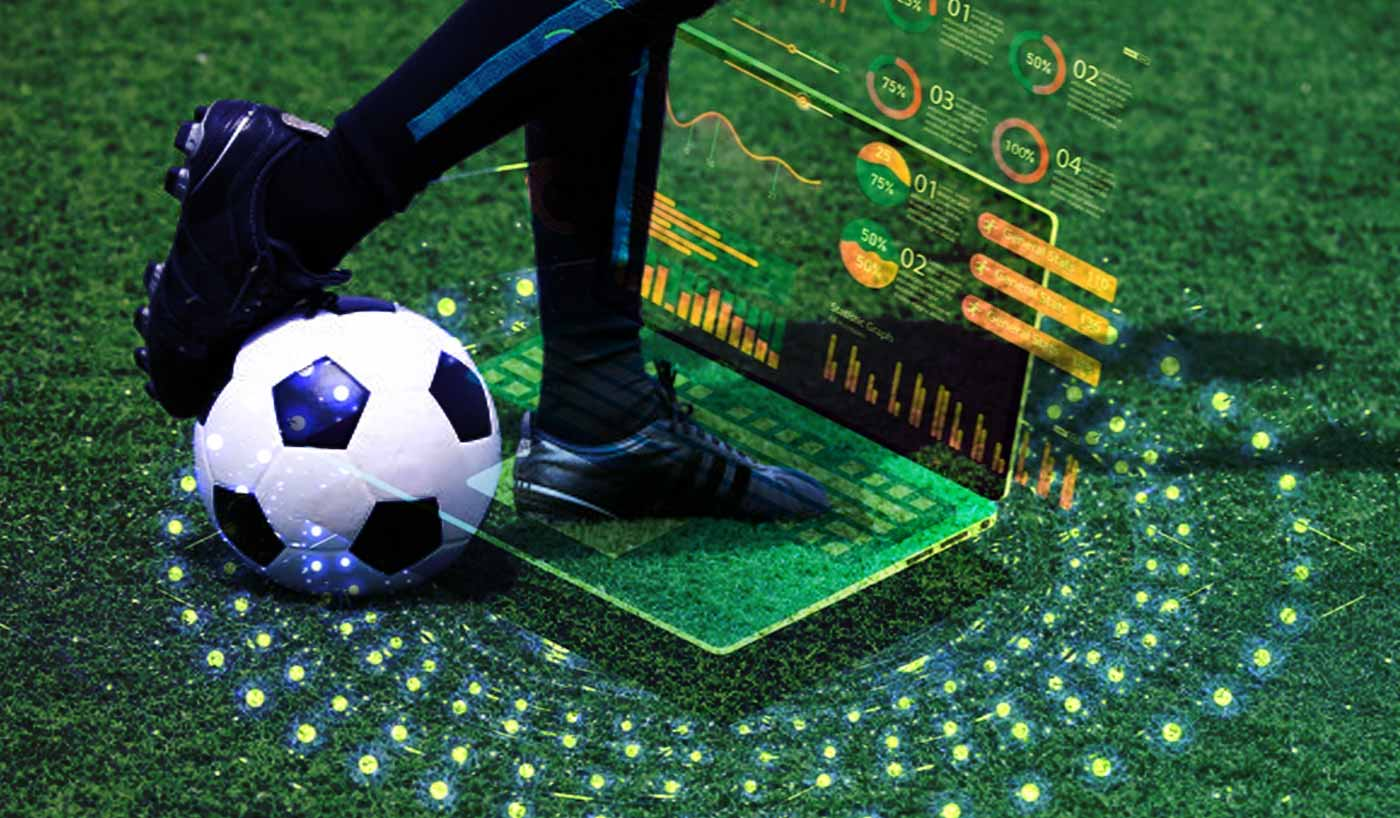
The 2026 FIFA World Cup is currently taking place across the United States, Mexico, and Canada, showcasing not only the skills of the players but also the profound impact of technology on the beautiful game. This tournament features innovations that extend far beyond the players donning flashy pink boots; it reveals a complex technological ecosystem that is revolutionizing football.
Modern soccer is now a blend of athleticism and cutting-edge technology. Gone are the days when it was merely about kicking a leather ball and hoping for a goal. Today's game incorporates player sensors, intelligent cameras, neural networks, and vast amounts of data to predict future champions, rendering the days of relying on an octopus for predictions obsolete.
At the heart of this technological transformation is the Adidas Trionera, the official match ball for the 2026 World Cup. This ball is not just inflated; it requires charging before each match, demonstrating a significant leap in design and functionality. The Trionera features a four-panel, seamless construction that utilizes thermobonding technology, a significant advancement over traditional stitched balls, which were typically made from 32 separate panels.
Historically, the classic black-and-white soccer ball was designed for visibility on black-and-white televisions during the 1970 World Cup in Mexico. The Telstar ball, introduced during that tournament, became iconic for its contrasting colors, enhancing visibility for viewers around the globe.
Since then, soccer balls have evolved dramatically. The shift to thermobonding began at the 2006 World Cup, where the ball design transitioned from the traditional stitched panels to a more streamlined version with fewer seams. The Trionera takes this evolution further with just four panels, ensuring a smoother surface for improved aerodynamics and reduced water absorption.
Inside the Trionera lies a microchip equipped with an Inertial Measurement Unit (IMU) that collects data on the ball's movement. This chip measures acceleration and rotation at a remarkable rate of 500 times per second, providing real-time insights that surpass traditional camera systems. The IMU's precision minimizes discrepancies that could lead to controversial calls, making it a game-changer for officiating.
The innovative design of the Trionera is not without its challenges. Unlike previous models where the chip was centrally suspended, this ball's chip is positioned within one of the side panels, creating a need for precise balance. To counteract any asymmetry, counterweights were cleverly integrated, ensuring that the ball performs consistently, even under the intense conditions of a World Cup.
As soccer continues to integrate advanced technology, the implications for the market and competitors are profound. Brands that adapt to these innovations will likely dominate the industry, while those that fail to keep pace may find themselves sidelined in the ever-evolving landscape of sports technology.
Informational material. 18+.