

On October 20, 2026, concerns over artificial intelligence (AI) have reached a critical point, as even developers are advocating for increased regulation. The International Monetary Fund (IMF), typically focused on economic matters, has joined the chorus of skeptics. Athanasios Vamvakidis, the IMF's deputy director of monetary operations and capital markets, has raised alarms about a potential market correction in AI due to waning investor trust. This loss of confidence could lead to significant declines in stock valuations for both AI companies and the data centers that support them.
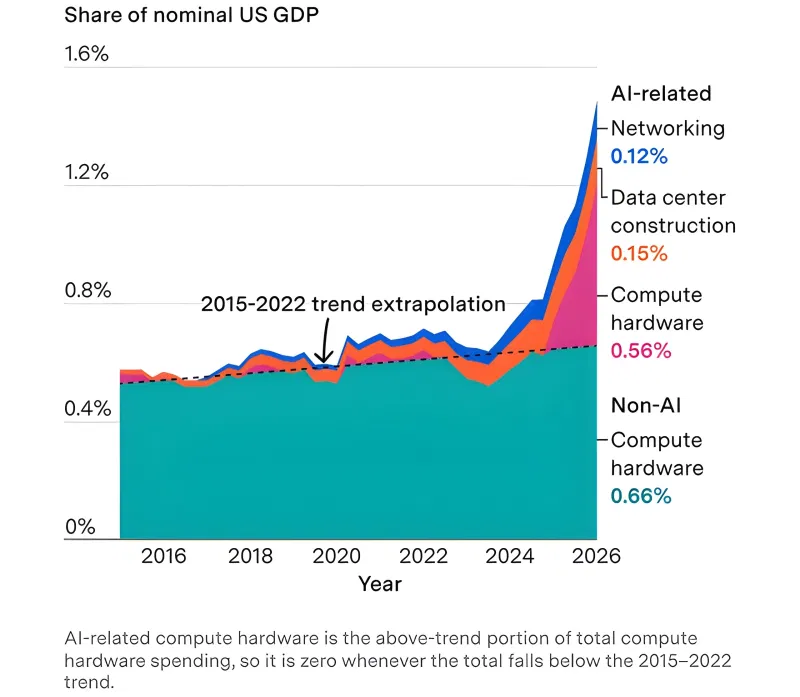
Despite the relatively small contribution of AI-related infrastructure to the U.S. GDP, its growth trajectory since 2024 has been impressive, particularly in contrast to the sluggish pace of traditional hardware sectors. The current situation is precarious, with global investments in U.S. assets at an all-time high. By early 2026, America's international investment position soared to $27.6 trillion, exceeding 90% of its GDP. A sharp decline in the value of AI-related assets could resonate beyond American markets, causing ripples felt throughout the global economy.
Investment in AI accounted for only 1.9% to 2.5% of the U.S. GDP this year, yet the sector has significantly influenced GDP growth, contributing as much as 75% in the first quarter of 2026 alone. The IMF forecasts a modest GDP growth of 2.3% for the year, making the economy particularly vulnerable to disruptions from a mass exit of investors from the AI space.
Vamvakidis points out that the current stock prices of AI firms are inflated, driven by excessive debt and complex financing structures. The concentration of market value among a handful of tech giants—over 32% of the S&P 500's market capitalization—is also a concern, as it makes the index sensitive to fluctuations in these companies' stock performance.
As AI continues to develop and integrate into various industries, the prevailing faith in its potential remains strong among many investors. However, the risk of disillusionment looms large, and if even a small portion of this optimism falters, it could lead to significant market upheaval. This situation poses challenges for global financial stability, already strained by various economic pressures.
In conclusion, the current crisis of confidence in AI not only threatens to destabilize the market for AI companies but could also have broader implications for the global economy and its interconnected financial systems. Competitors and investors alike must navigate this precarious landscape with caution.
Informational material. 18+.