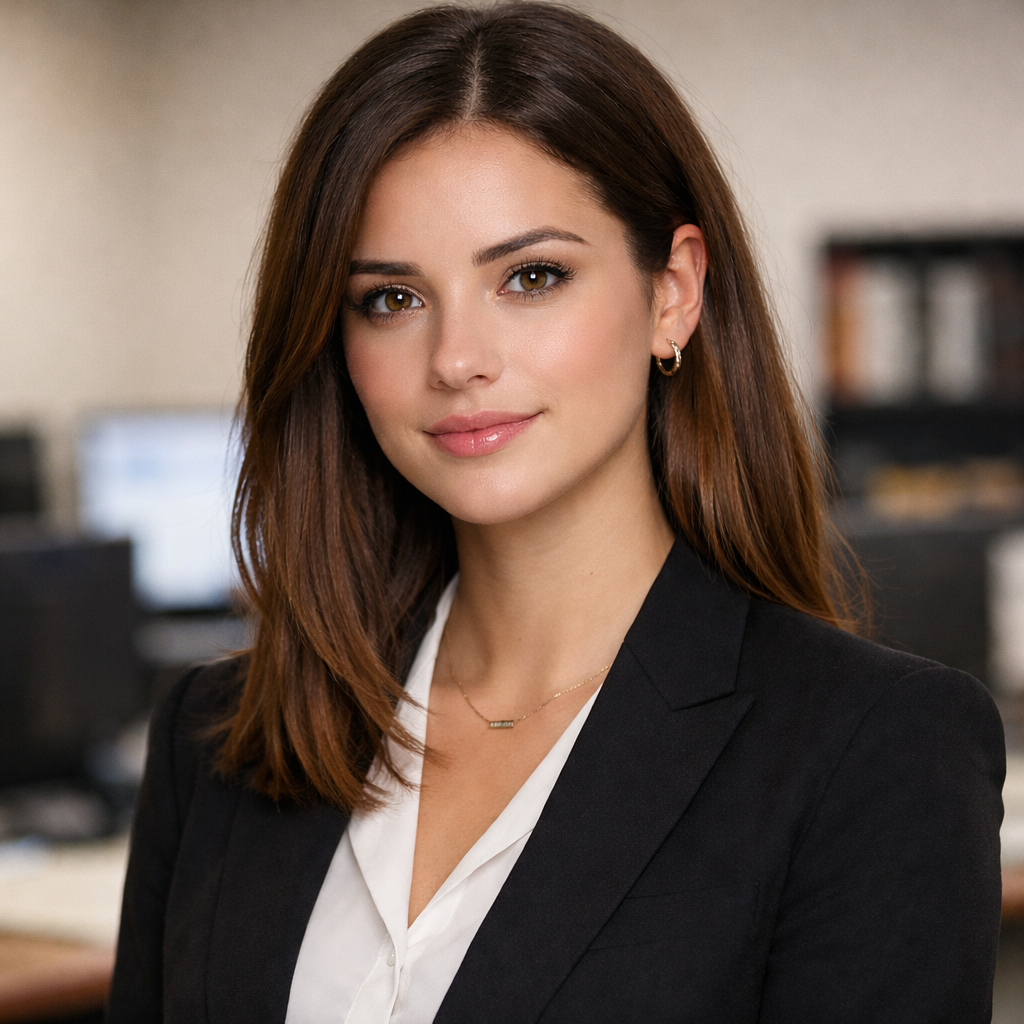
Josephine, a 21-year-old TikTok content creator from Sierra Leone, experienced a shocking moment when she stumbled upon a video featuring a dance that was strikingly similar to her own. The choreography, transitions, and camera angles mirrored her original work, yet it was performed by an AI-generated model. This synthetic version garnered significantly more views than her own video, which she had uploaded nearly four years prior. Investigations reveal that AI identity theft has evolved into a burgeoning industry, where creators replicate the bodies, movements, and facial expressions of real women from their videos to create digital avatars. A notable case in point is the virtual model Nia Noir, whose TikTok account amassed over 2.7 million followers before being removed. In some instances, these digital replicas not only eclipse the originals in popularity but also lead to the suspension of the creators they imitate. Cherie DeVille, an American adult performer with 4.5 million followers on Instagram, frequently encounters fake accounts impersonating her. She reports that her authentic account faces repeated suspensions, as the impersonators often report her to gain the upper hand. "They want to be the biggest version of me," DeVille states. Consequently, models find themselves in a fierce competition against hyper-sexualized representations of themselves that churn out content incessantly and engage in activities that the real individuals would never consent to.
Informational material. 18+.