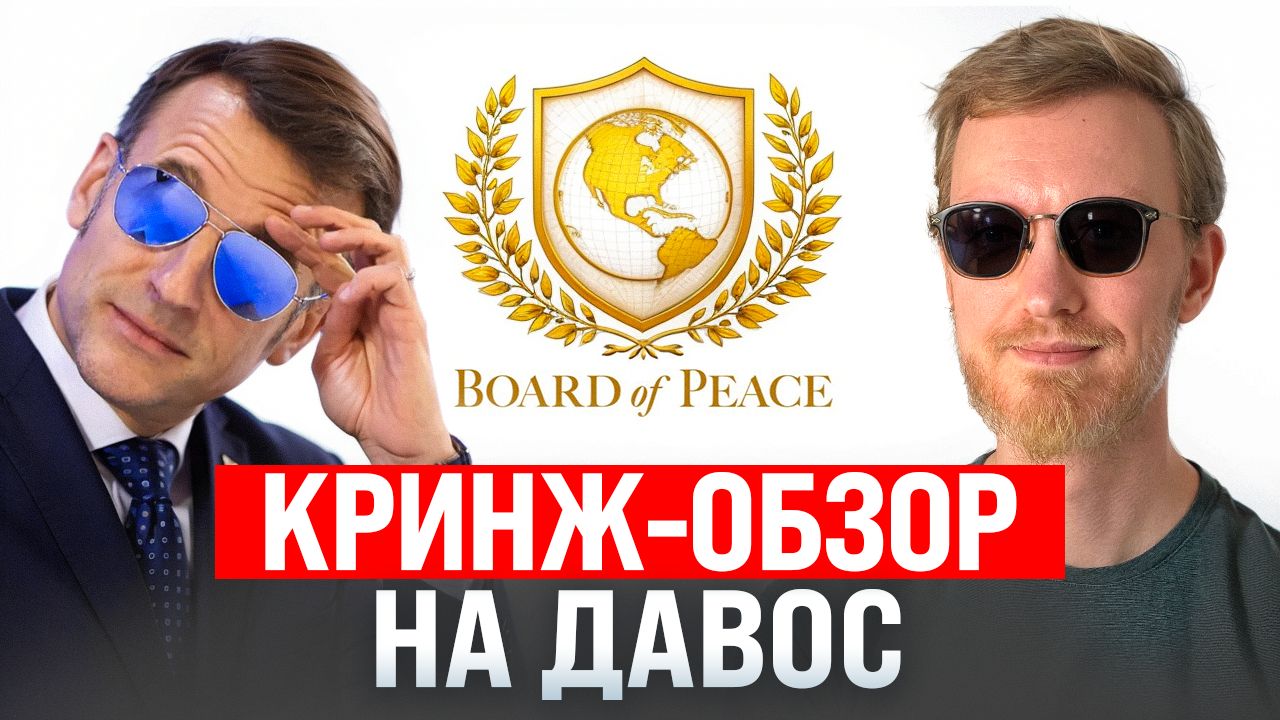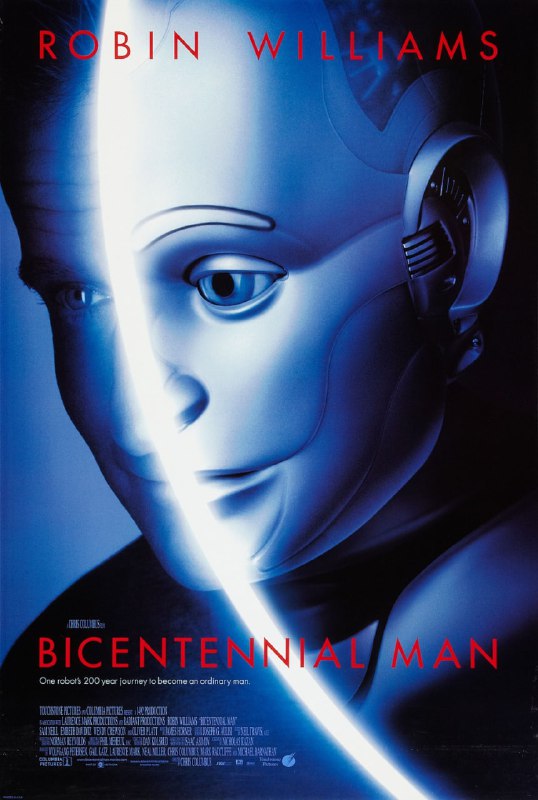
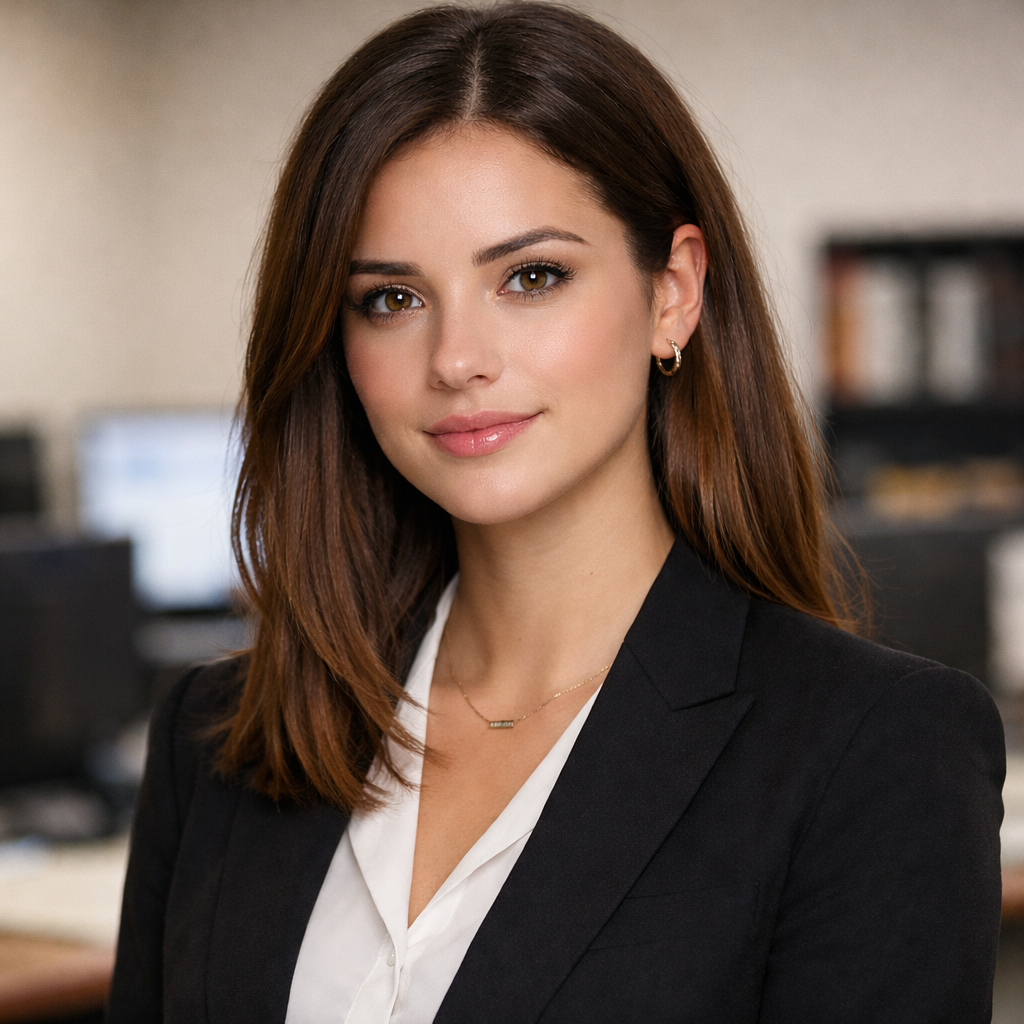
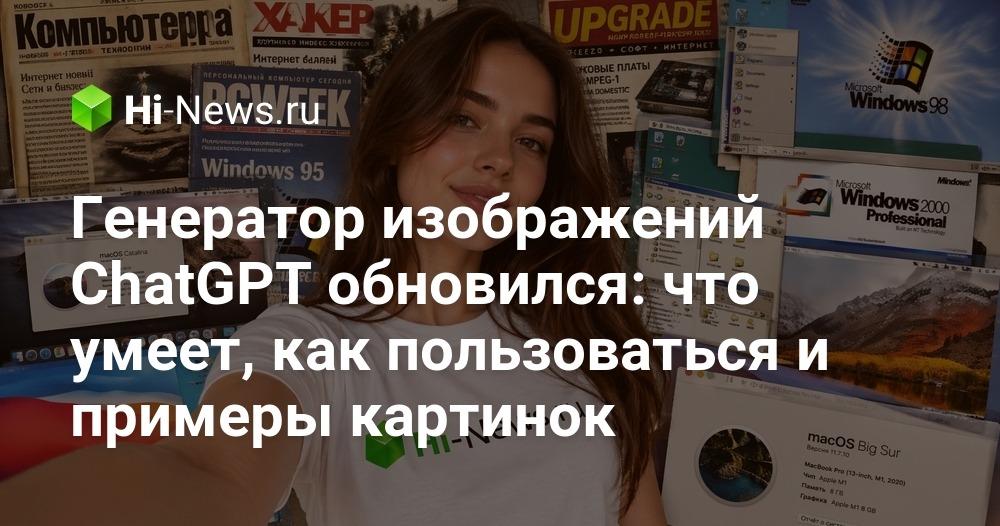
OpenAI has unveiled the latest version of its image generation tool, ChatGPT Images 2.0, marking a significant upgrade since the initial release. This new model, launched on April 21, 2026, does more than just create images from text prompts; it incorporates a reasoning process, can search for information online, and delivers images with resolutions up to 2K. Notably, the update is available to all ChatGPT users, including those on free plans.
ChatGPT Images 2.0 introduces the ability to generate human figures, screenshots, and text, although the handling of text still faces challenges. The new system operates in two distinct modes: Instant and Thinking. The Instant mode, designed for speed, was tested under the codename “duct tape” and produces high-quality images in mere seconds, accessible to all users. On the other hand, the Thinking mode, available for Plus, Pro, and Business subscribers, takes a more deliberate approach, allowing for consistency across multiple images and the ability to generate up to eight images per request. This structured process enhances the creation of sequences such as manga and storyboards.
One of the most groundbreaking changes in this update is the shift in how users interact with the image generation process. OpenAI has transitioned from a simple "request-response" model to a more interactive dialogue, enabling users to refine images in real-time by zooming in on details, altering composition elements, and adjusting styles without starting over. For instance, during a demonstration, the system created eight different summer outfits from a single uploaded photo, showcasing its iterative capabilities.
Moreover, ChatGPT Images 2.0 addresses one of the most common issues faced by AI image generators: the illegibility of text. OpenAI claims a significant advancement in text rendering, with the model now able to handle small fonts, complex layouts, and even non-Latin scripts, including Japanese, Korean, Chinese, Hindi, and Bengali. However, some limitations remain, particularly with accurately reproducing logos and brands.
On the technical front, the new model supports a range of aspect ratios from ultra-wide formats to ultra-vertical ones, covering a variety of common formats like banners, mobile stories, and social media posts. The maximum resolution has been enhanced to 2K, and developers can access the model through an API called gpt-image-2.
In a strategic move, OpenAI appears to be positioning image generation as a key area of competition, especially in light of recent advancements from competitors like Google, which launched its own image generation model, Nano Banana 2. This push towards integrating image generation into ChatGPT suggests that OpenAI is aiming to make AI-driven image creation a practical tool rather than just a novelty.
As the technology matures, users can expect to leverage AI for professional tasks, from marketers creating quick banner designs to educators developing visual aids for lessons. However, it is essential to maintain realistic expectations, as the model may still struggle with intricate details and spatial relationships.
In conclusion, the introduction of ChatGPT Images 2.0 signifies a pivotal moment in the evolution of AI-generated imagery, enhancing its utility for various professional applications and intensifying competition in the AI landscape.
Informational material. 18+.