

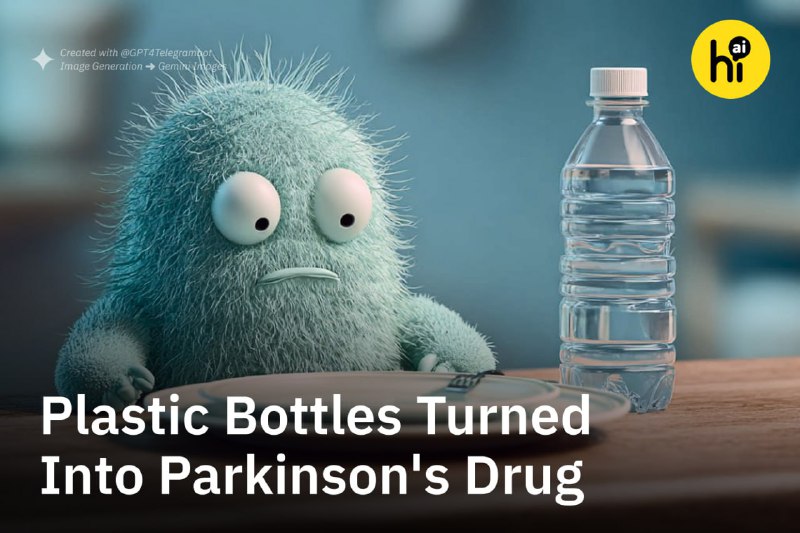
Researchers from the University of Edinburgh have successfully modified E. coli bacteria to convert discarded plastic into levodopa, a crucial drug for treating Parkinson's disease. The process begins with the breakdown of PET plastic, commonly found in water and soda bottles, into its fundamental chemical components. The engineered bacteria then transform these components into levodopa through a series of biochemical processes. This team has previously demonstrated the ability of bacteria to recycle plastic, producing substances like vanillin, adipic acid, and paracetamol from PET. However, this marks the first instance where a complex pharmaceutical product aimed at treating a neurological condition has been created, and the researchers are optimistic that further advancements could lead to additional pharmaceutical applications. "Imagining the potential of creating neurological medications from waste plastic bottles is thrilling," stated Stephen Wallace, the study's lead researcher. At this stage, the method remains a proof of concept. Before it can be implemented on a wider scale, the team must ensure that the end product is free from harmful impurities and develop a viable process for large-scale industrial production.
Informational material. 18+.