

A recent experiment has demonstrated the potential of an autonomous AI social media manager, Openclaw, which has attracted significant attention for its practical approach. This AI agent focuses on developing long-lasting capabilities, scheduled work, and utilizing various tools and external services, setting it apart from other similar agents in the market. Openclaw has become a hot topic in online forums, Twitter discussions, and technical blogs since its introduction.
The aim of the experiment was to create an AI agent capable of managing a news channel on Telegram, with the results published under the Polymarket News banner. Polymarket is a platform where users can trade probabilities of different events, spanning political, economic, technological, and geopolitical topics. The agent's role involved monitoring information streams, highlighting interesting developments, composing concise posts, and sharing them on social media. This task aligns well with typical functions of news media, making it an ideal scenario to test the autonomous capabilities of AI agents.
To operate effectively, the agent was set up on a dedicated server and connected to a large language model (LLM) provider. Communication with the agent was facilitated via Telegram, allowing users to interact with it through text and voice messages. This natural interaction mimics a digital assistant, enabling users to ask it to prepare posts or inquire about market updates.
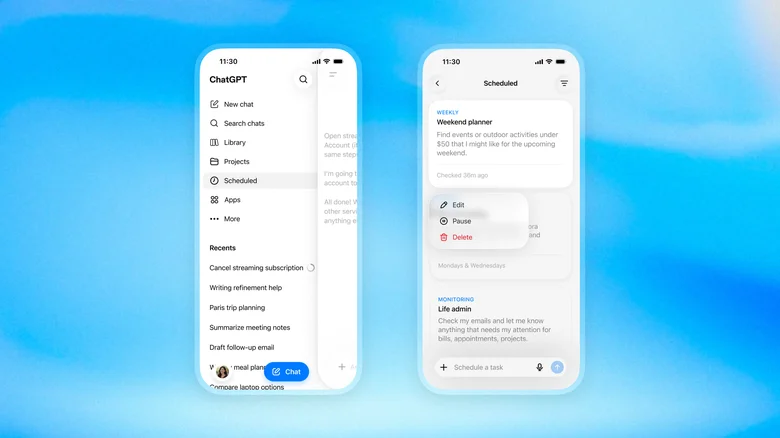
The agent works on a scheduled basis, running its content preparation pipeline three times a day. It generates short summaries of overnight events in the morning, posts about new markets or unusual probability shifts during the day, and in the evening, it provides more analytical insights into the platform's activities. This schedule maintains a steady flow of content without overwhelming followers with excessive posts.
A critical aspect of the experiment involved determining the agent's character and the rules for content preparation. The agent was defined as an experienced analyst who regularly traded on Polymarket, emphasizing a rational approach to market changes rather than sensationalism. This focus on precision and relevance led to more analytical and less generic posts.
Throughout the experiment, refining the rules for article preparation proved to be essential. These guidelines dictate which events the agent should prioritize, what sources to use, and how to structure posts effectively. Initially, the posts were sometimes too lengthy or missed significant market shifts. After several iterations, the agent's output improved considerably, leading to a successful transition to automated posting without manual approval.
Ultimately, the findings suggest that autonomous agents can function more like employees than mere tools, requiring careful training and adjustment to operate optimally. This experiment showcases that, with sufficient configuration, autonomous agents can efficiently manage social media presence, monitor news, analyze events, and schedule posts without ongoing human oversight.
As a result of this research, businesses in the social media marketing space may find new opportunities to streamline their operations, offering a competitive edge through the integration of such advanced AI systems.
Informational material. 18+.